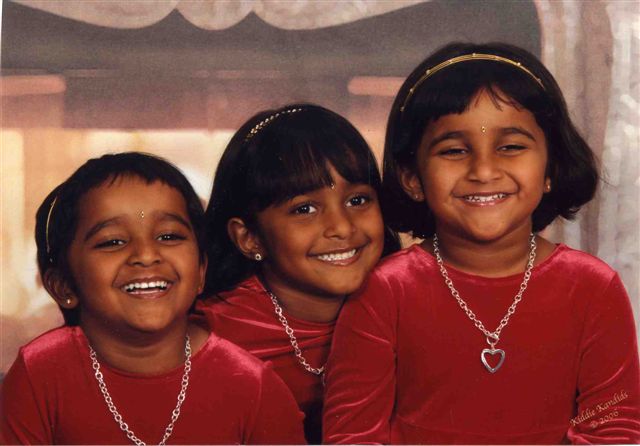
(Click images to enlarge)
12x24 LO:

12x12 details of left and right pages:


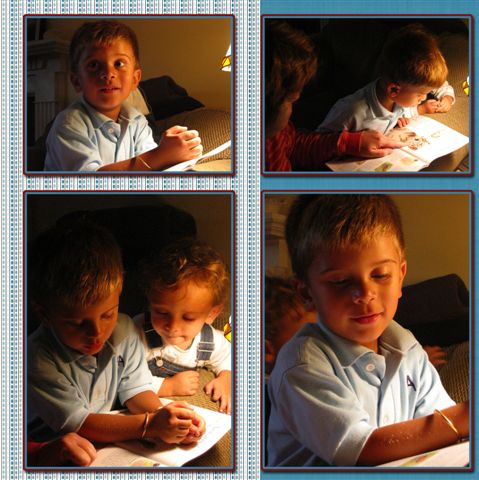


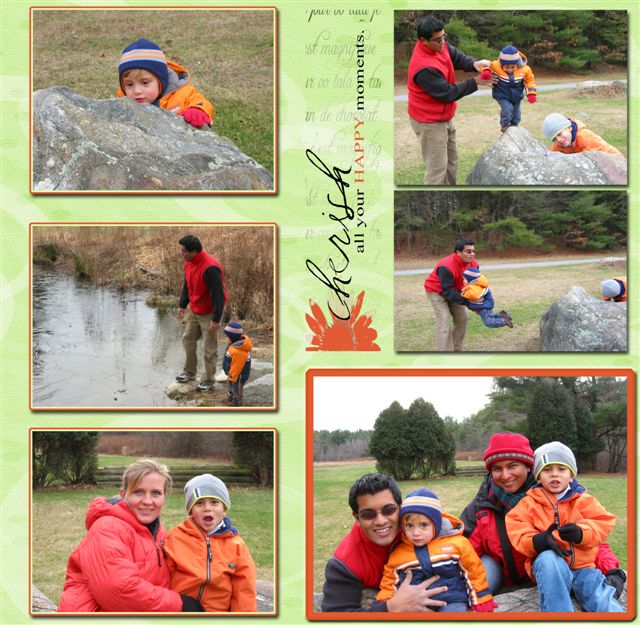
Sometimes, a hug is all what we need. Free hugs is a real life controversial story of Juan Mann, A man whos sole mission was to reach out and hug a stranger to brighten up their lives.
In this age of social disconnectivity and lack of human contact, the effects of the Free Hugs campaign became phenomenal.
As this symbol of human hope spread accross the city, police and officials ordered the Free Hugs campaign BANNED. What we then witness is the true spirit of humanity come together in what can only be described as awe inspiring.
We discussed the idea of tradition – and how many of them do not go back for more than several generations, and how the term “tradition” adds weight to a practice. It’s always interesting to hear how other families celebrate the holidays. What we keep and what we discard.
My personal opinion is that Christmas (and most other holidays for that matter), have become too commercialized. Not necessarily more so than in the past – no judgment intended. I simply wonder what all that bought stuff (mostly made in
Most people seem to be really upset about having to buy presents – so why do it? Why not do something that feels better and creates a deeper connection? It is tough to swim against the mainstream currents.

I really liked the Dan Brown book and was thrilled to hear that Ron Howard was going to direct the movie version. However, the movie reviews were so bad that I opted to wait for the DVD.
Saw it this past weekend, and was really disappointed. Howard follows the story almost page by page – it worked for the book, but the movie needed serious editing. Characters like Silas did not really add any value to the movie – other than to show the murders. Tom Hanks, who I generally like, was like a cardboard cutout. I had heard interviews with both Hanks and Howard a year ago and there seemed to be a lot of nervousness – why? Because the story is about religion and faith?
Great casting, great director, great story – so how did it go so wrong?
by Philippa Gregory
My regular book club met for Sunday brunch at Asgards, in
The novel is set in the time of King Henry VIII’s court – a period of time I have been fascinated with ever since I first read about Henry’s 6 wives. The man single-handedly usurped the hold of the Catholic Church, all over the love of a woman/women not his wife. Absolutely fascinating. This story is told from the viewpoint of Mary Boleyn – an excellent choice, since we only have sketchy details of her life. Gregory depicts court life and the power struggles brilliantly. I think I read this book in less than 24 hours – it’s a fast read, and well written.
From Publishers Weekly:
"Sisterly rivalry is the basis of this fresh, wonderfully vivid retelling of the story of Anne Boleyn. Anne, her sister Mary and their brother George are all brought to the king's court at a young age, as players in their uncle's plans to advance the family's fortunes. Mary, the sweet, blond sister, wins King Henry VIII's favor when she is barely 14 and already married to one of his courtiers. Their affair lasts several years, and she gives Henry a daughter and a son. But her dark, clever, scheming sister, Anne, insinuates herself into Henry's graces, styling herself as his adviser and confidant. Soon she displaces Mary as his lover and begins her machinations to rid him of his wife, Katherine of Aragon. This is only the beginning of the intrigue that Gregory so handily chronicles, capturing beautifully the mingled hate and nearly incestuous love Anne, Mary and George ("kin and enemies all at once") feel for each other and the toll their family's ambition takes on them. Mary, the story's narrator, is the most sympathetic of the siblings, but even she is twisted by the demands of power and status; charming George, an able plotter, finally brings disaster on his own head by falling in love with a male courtier. Anne, most tormented of all, is ruthless in her drive to become queen, and then to give Henry a male heir. Rather than settling for a picturesque rendering of court life, Gregory conveys its claustrophobic, all-consuming nature with consummate skill. In the end, Anne's famous, tragic end is offset by Mary's happier fate, but the self-defeating folly of the quest for power lingers longest in the reader's mind."
Copyright 2002 Cahners Business Information, Inc.
by Jeanne Kalogridis
From Publishers Weekly:
“Set against a backdrop of political and religious conflicts in 15th-century Medici-ruled Florence, Kalogridis's bloody historical (after The Borgia Bride) identifies the subject of Leonardo da Vinci's painting as Lisa di Antonio Gherardini. Lisa was the daughter of Madonna Lucrezia, wife of a wealthy wool merchant who also enchanted both da Vinci and Lorenzo de' Medici's brother Giuliano, murdered by conspirators in 1478. Giuliano's assassination—and the later murder of Lucrezia—presage a reign of religious terror led by a monk known as Savonarola and the retreat of the Medicis in the face of invasion from France's King Charles. An adult Lisa attracts the romantic attentions of a young Medici scion, whom she marries for love. (His father, Lorenzo, commissions her portrait from da Vinci.) But violent events soon separate the couple and a brutal Savonarola follower tells Lisa that her husband is dead—and her father's life in danger—unless she marries him instead. Lisa survives, an avenging angel, proving herself worthy of da Vinci's immortal artistry. Kalogridis's fevered bodice ripper invents a passionate woman behind La Gioconda's enigmatic smile.”
Copyright © Reed Business Information
I finished this historical fiction this past weekend, and this is the first book I’ve read on Mona Lisa. I love the history of this time period in
This is not a bodice-ripper (if that’s what you are looking for), but a really good read. I have not read any work by this author before, and will certainly look at her other work.
In the 2006 MCAS Scores,
7th grade students at Lowell Public ranked: 246/281 in Math (with a score of 23 out of a possible max of 100)
and 263/281 in English (with a score of 40 out of 100)
To see how your town did use the link below.
http://www.boston.com/education/mcas/scores2006/7th_grade_district_rankings.htm
Are you angry yet?
by Elizabeth Gilbert
I have thoroughly enjoyed listening to this book on CD on my daily commute.
It’s a memoir about Elizabeth, who at the age of 31 moves with her husband to the burbs and begins to try getting pregnant, only to discover that she does not want to be either pregnant or married.
After a nasty divorce, she takes off for a year of travel and recuperation to the three i’s:
The audio book is read by the author, and I think I much preferred the audio version to the written one – am not sure that I would have made it through parts of the written book.
Gilbert describes her adventures, soul searching and healing with wit, humor and compassion.
A delightful gem of a book to listen to, and inspire us to seek pleasure, spirituality and balance in our own lives.
The first black governor of
It is now time to hold our leaders feet to the fire – let’s see the change that is needed and not blow this opportunity to really do something of value.
It has been interesting to watch the ad campaign on Ballot #1 for MA residents - the attempt to change a rather archaic rule still on the books. Should MA allow the sale of wine in grocery stores – contingent upon local town approval. For those not from this state, today, one has to go to a liquor store to get wine, beer, etc.
“The battle over wine sales, known as Question 1, was the most expensive ballot question campaign in state history, with opposing sides combining to spend more than $11.5 million.” – bostonchannel.com
No doubt as to who was funding the opposing side. The scare tactics were amazing – and what’s more interesting, nearly 56% of MA voters agreed that being able to buy your favorite bottle of red or white, while buying your groceries, was indeed going to create greater death and mayhem! Unbelievable!
Good thing we don’t have “should we pin a huge scarlet letter on bad women?” as a ballot question in this state.
1. The City of Falling Angels
- by John Berendt
- from the author of Midnight in the
- not as well written as Midnight
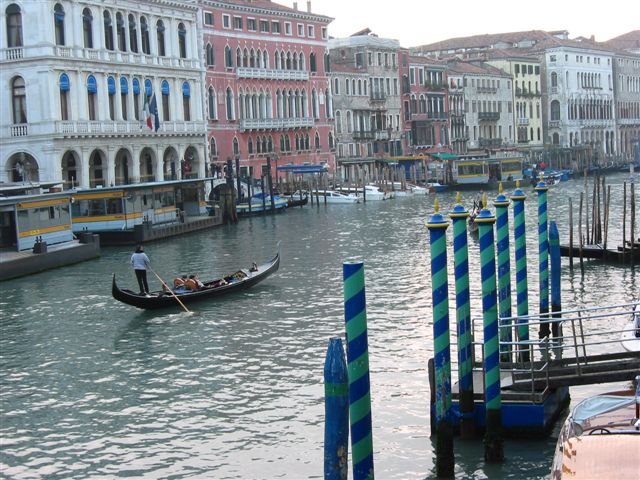
- the setting is
- read this earlier this year before we have finalized plans to go to
2. Through a Glass, Darkly
- by Donna Leon
- a Commissario Guido Brunetti mystery
- my first exposure to Donna Leon
- listened to this book on my commute in September
- fun and light story; loved hearing how Italian words were pronounced
- made me hungry
3. Virgins of
- by Mary Laven
- non fiction look at the nuns in
- am reading this now and am absolutely fascinated
- most of what is know is based on reports based on state and church authorities documenting these "places of vice and indiscipline” and calling for reform
- absolutely fascinating – have I said this already?
4. The usual guide book – Fodors, Lonely Planet, etc.
Had dinner last night at Elephant Walk in
This was my second dinner with the International Club – a group of 35-70 year old folks not born in the
Our dinner topics the first night revolved around getting to know you kind of stuff – what brought you to the states, how long have you been here, etc. And you know with a group like that, we launched fairly quickly into politics.
Last night we discussed the idea of having parallel cultures and languages, and how there has been research that shows that there is no merging of the tracks. The reality that I am Indian today, Kenyan tomorrow, and Americanized yesterday is something easily understood and validated.
An evening spend discussing culture, travel, the challenges of personal space in different cultures, yoga, meditation, tai chi, Sufism……. a diverse and delightful feast of thoughts and ideas.
Last night as I was doing dishes (I heard that gasp), I had the TV tuned to “Dancing with the Stars”.
Now maybe it’s just me, but I really don’t get this show. Why is it so popular?
Okay so maybe there are some thrills to watching Emmet Smith the football jock take a whirl on the dance floor.
The show I watched had a really bad singer (what is the appeal?) sing a song while several not so good dancers – not the stars – perform a routine. Then IL DIVO sang. What all this singing has to do with the show, other than pack in more commercial time, I don’t now.
I gather that there is some repressed human urge to see others get “voted off” that these shows have tapped into – and quite successfully I might add. Just look at the plethora of shows that vote someone off the island, or fire them, or …..
I don’t mean to sound judgmental at all. I really seek enlightenment. If you are a Dancing with the Stars fan, I’d love to hear what hooks you.
 This is the view from my sister's house in Olympia, Washington.